
Do Porsche Cayenne and Panamera models have coolant pipe problems?

Share this article

The first-generation Cayenne V8 has a documented one. Porsche's service information for 2003 to 2006 Cayenne models lists the original plastic coolant pipes as a concern and explains how to check whether an aluminum pipe kit has been installed. The 2011 to 2014 Cayenne and the 2010 to 2014 Panamera are a different case. Porsche told federal regulators in 2013 that their coolant pipe connections are bonded with adhesive, like the 911 fittings regulators were investigating at the time, but that filing does not say these models fail, and no recall covers them.

2003 to 2006 Cayenne V8: plastic pipes under the intake

In December 2013, Porsche Cars North America issued a technical bulletin (Advanced Technical Information, Cayenne 1304) for all 2003 to 2006 Cayenne models, type 9PA. The concern it names is plastic coolant pipes. The bulletin tells technicians how to find out, on V8 engines, whether aluminum pipes are already installed without taking anything apart. A borescope goes in directly under the intake manifold, and the aluminum pipes can be recognized by a cast support. Porsche also notes that access to that area is extremely limited.

These Cayennes are now 20 years old or more, and most have had several owners, so the original pipes may or may not still be in the car. Service records showing the aluminum kit answer the question. Without records, the borescope check answers it before any repair is quoted. If you are shopping for one of these trucks, it is worth asking about before you buy.

The bulletin covers V8 engines only. It says nothing about the V6 Cayenne or about later first-generation model years.

2011 to 2014 Cayenne and 2010 to 2014 Panamera: adhesive-bonded connections

In April 2013, the National Highway Traffic Safety Administration (NHTSA) opened an investigation, PE13-009, into sudden coolant loss on Porsche 911 models. On those engines, some coolant pipe ends are joined to cooling system parts with adhesive. NHTSA asked Porsche which other vehicles use the same connection method. In a September 2013 response, Porsche listed the 2011 to 2014 Cayenne and the 2010 to 2014 Panamera, all models.

The investigation itself stayed with the 911 Turbo, GT2 and GT3. NHTSA closed it in March 2014 without identifying a safety defect. Along the way, Porsche identified a supplier problem with how the adhesive was applied, which raised the failure rate on about 6,800 early 997 generation cars.

So these Cayenne and Panamera models share the joining method, not the findings. The 2014 end year reflects when Porsche wrote its answer, so it does not tell you whether later cars were built differently. As of October 2026, NHTSA's recall database shows no coolant pipe recall for the 2003 to 2006 or 2008 to 2016 Cayenne, or for the 2010 to 2016 Panamera.

If you have a 996 or 997 911 with a Turbo, GT2 or GT3 engine, that is the car the investigation was about. We covered those engines in our article on 996 and 997 coolant pipe welding.

Signs of a coolant pipe leak

In the 911 investigation, Porsche said most leaks were slow and small, and that owners usually noticed them by the smell of coolant, coolant under the car when parked, or the low coolant warning light. Porsche said those signs are typically present for some time before a fitting separates completely, and that a separated pipe can send steam out of the engine compartment.

Those are signs of a coolant leak from any source, so they tell you the cooling system needs checking. They do not tell you the pipes are the cause. If the low coolant warning comes on, follow the instructions in your owner's manual before you keep driving.

Finding the actual leak

A documented history on your model makes the coolant pipes a reasonable place to look. It does not make them the diagnosis. The useful starting points are the model year and engine, any record of earlier coolant pipe work, and where the coolant is actually escaping on your car. That last part has to be found on the vehicle.

Getting a Cayenne or Panamera checked in Arvada

If your Cayenne or Panamera is losing coolant, call Black Canyon Performance at (303) 423-0588 or email info@blackcanyonperformance.com. Bring any service records you have, especially anything that mentions coolant pipes. We are at 5785 W 56th Ave in Arvada, open Monday to Thursday 8 AM to 5 PM and Friday 8 AM to 4 PM. You can read more about our Porsche repair and service in Arvada or send us a message.

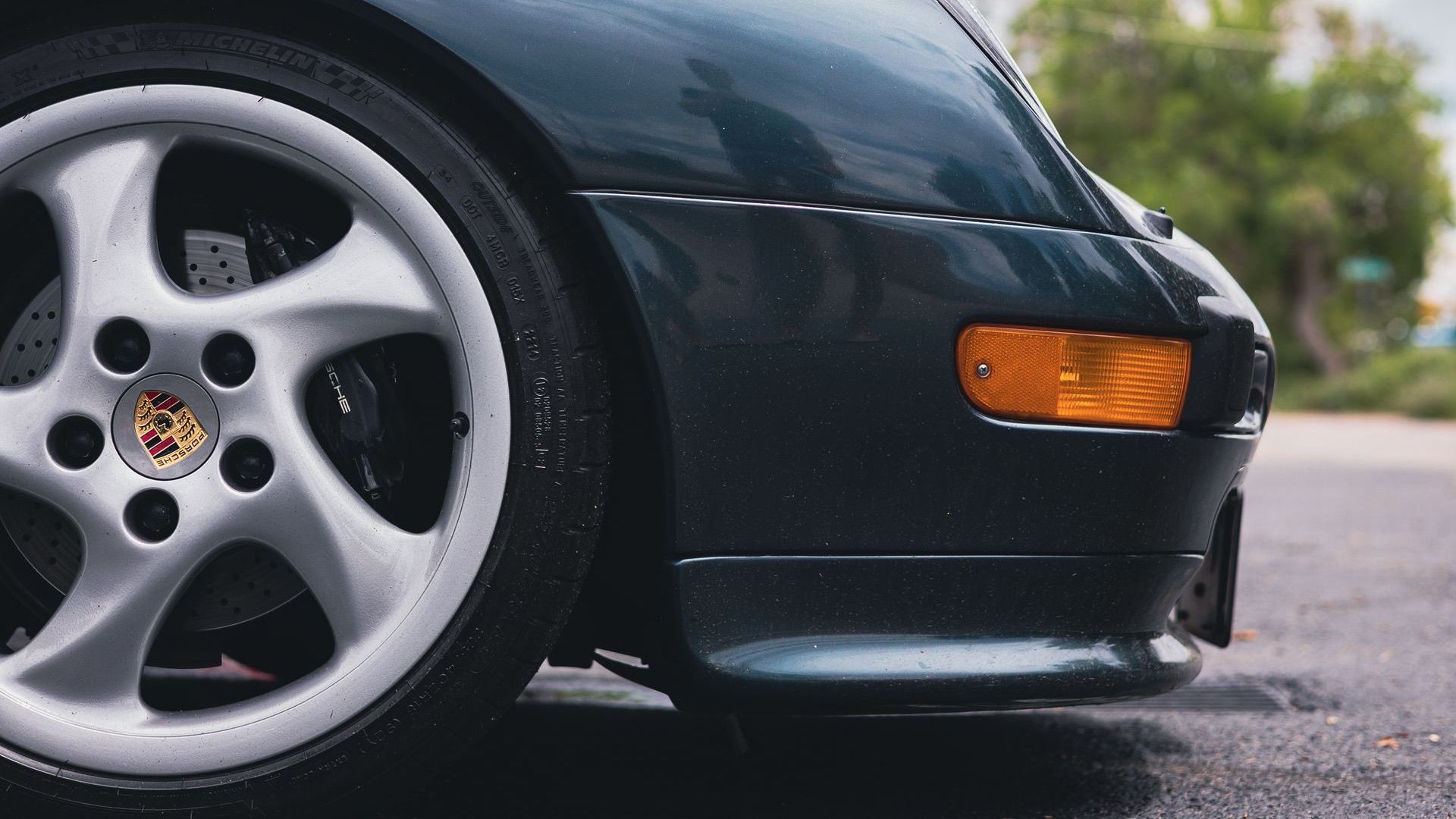
Dark green Porsche front wheel with a cross-drilled brake rotor and a black Porsche caliper visible through the spokes
By Black Canyon Performance European Auto Service • October 11, 2026
A longer pedal, a pull, a pulse, grinding or the pad wear light can all mean a Porsche needs brakes. What each sign means and when the rotors can stay.

European Car Starting
By Chris McNeal • September 16, 2026
Battery tests good, but your European car won't start? Learn the common causes and what to check next. Get expert help today to get back on the road soon!
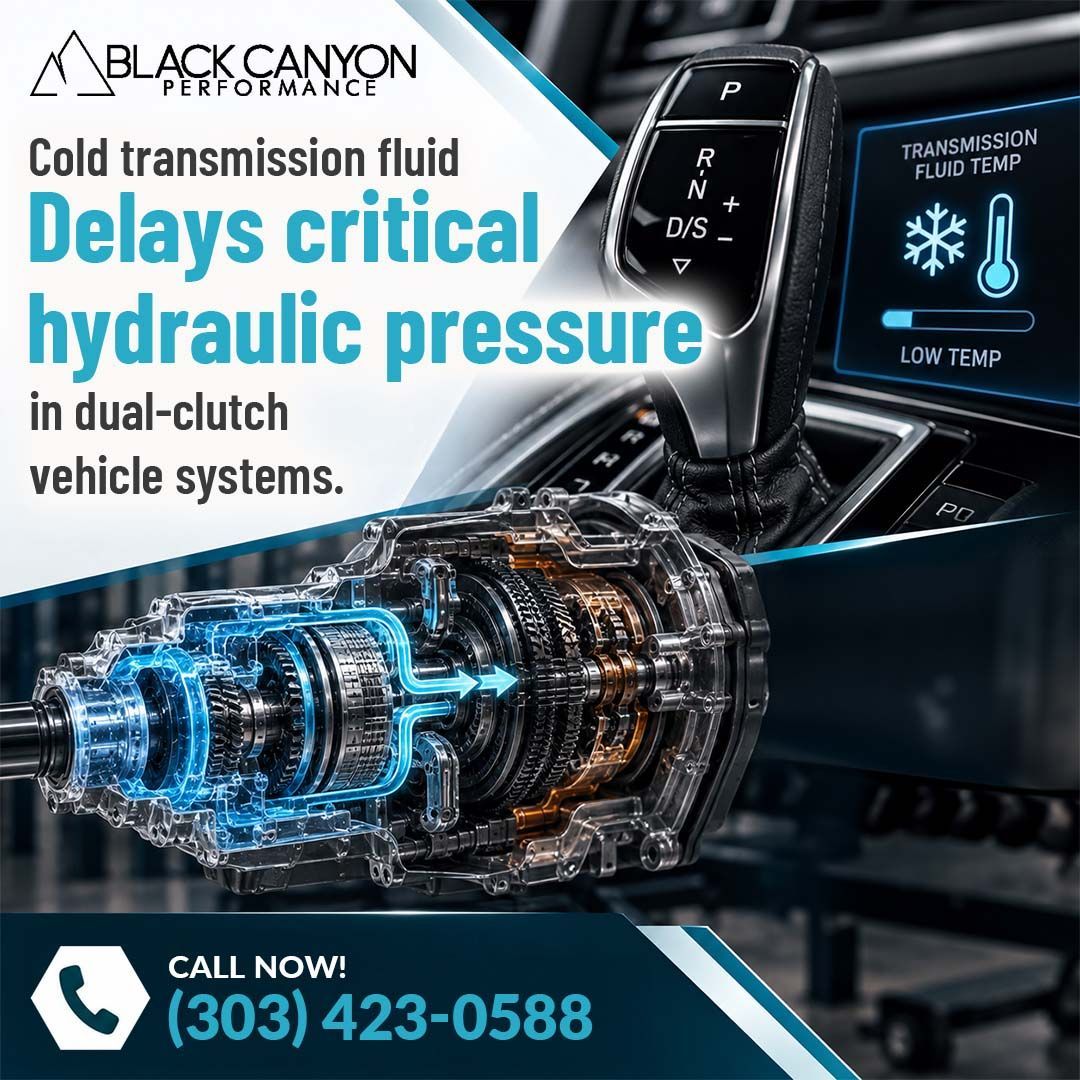
Porsche PDK Transmission
By Chris McNeal • September 15, 2026
Experiencing rough Porsche PDK shifts when cold? Discover possible causes, fluid issues, and transmission concerns. Get expert help today. Book your service!

Porsche Repair Estimate
By Chris McNeal • September 11, 2026
Know what a Porsche repair estimate should include before approving work. Review labor, parts, and fees. Get clear answers before authorizing your repair today!

Automotive Electrical Repair
By Chris McNeal • September 9, 2026
Discover what a professional European car electrical diagnosis includes, from wiring checks to system testing. Schedule expert service today for reliable results!
Porsche communication management- Black Canyon Performance European Auto Service
By Chris McNeal • August 25, 2026
Spot Porsche cabin electronics warning signs, from faulty displays to unresponsive controls. Get expert diagnostics and book your service with us today!
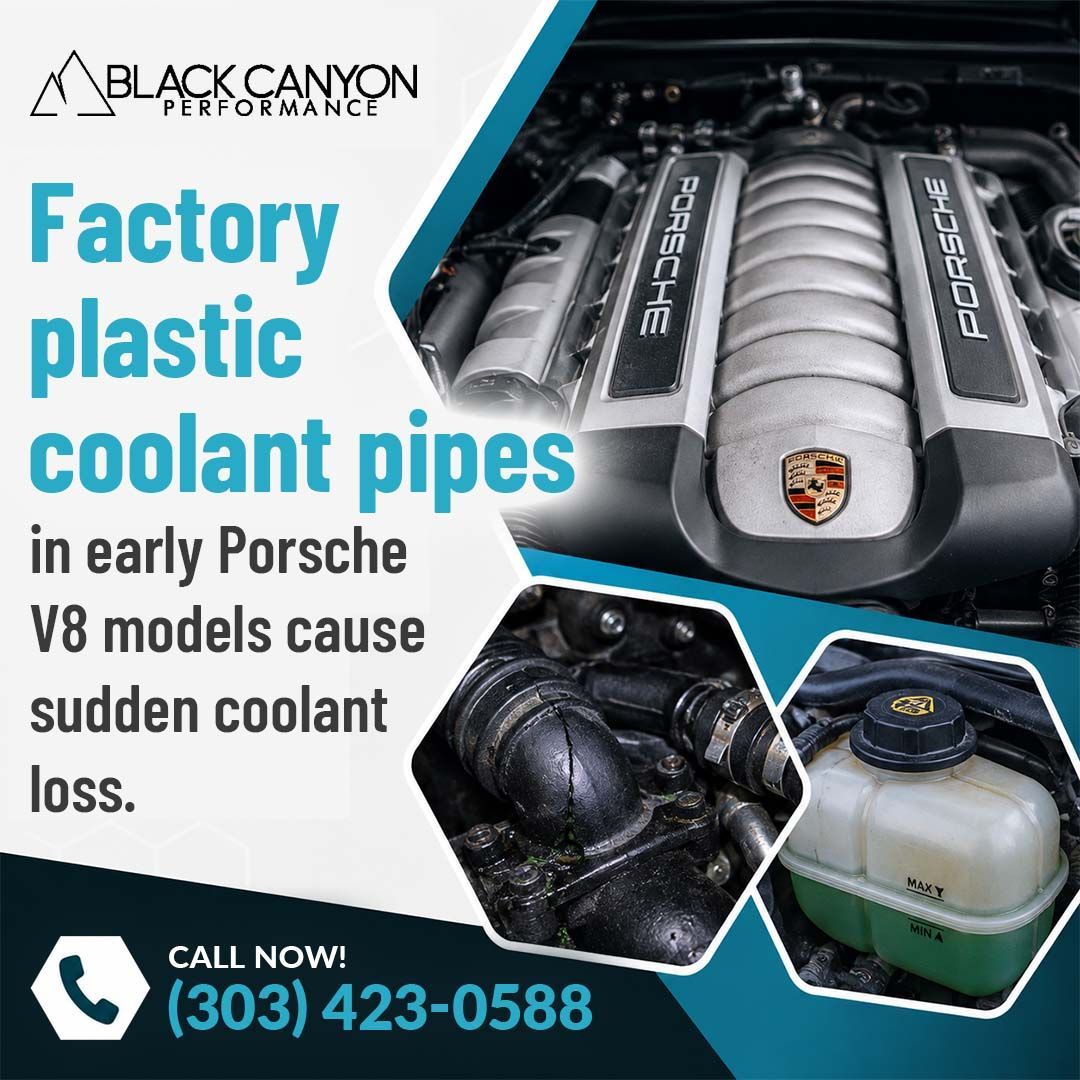
coolant pipes- Black Canyon Performance European Auto Service
By Chris McNeal • August 24, 2026
Learn why early Porsche Cayenne and Panamera models develop coolant pipe leaks, which model years are affected, and when to schedule an inspection.

digital vehicle inspection- Black Canyon Performance European Auto Service
By Chris McNeal • August 20, 2026
Learn how digital vehicle inspections improve European auto repair with clear reports, photos, and expert advice. Schedule your service with team today!
brand specific tools- Black Canyon Performance European Auto Service
By Chris McNeal • August 19, 2026
Dashboard alerts, uneven tire wear, fluid leaks and changes in ride or steering are early signs a European car needs attention. What each one means and what to do.
Show More
Car lift in auto shop with silver SUV, red car foreground, and garage door in back

Your European Vehicle Dealership Alternative

Highly rated European and Import vehicle care serving the Colorado Front Range. We specialize in BMW, Audi, MINI, Land Rover, Porsche, Volkswagen, Mercedes-Benz and other top European car brands.