
Why Does My Porsche PDK Shift Roughly When It's Cold?

Share this article

Cold PDK (Porsche dual-clutch transmission) fluid thickens and slows hydraulic response, so shifts feel rougher until the transaxle warms. A brief idle or slow mile is normal. Persistent roughness past warm-up is different. It brings Colorado owners to Black Canyon Performance European Auto Service for Porsche PDK transmission service, and it usually points to fluid, clutch, or mechatronic wear.

  • Cold fluid, not a bad transmission: thicker fluid delays the pressure PDK's clutches depend on.
  • Normal window: roughness typically fades within a mile or two on freezing Colorado mornings.
  • Persistent roughness is diagnostic: past warm-up, we treat the fluid, clutch, or mechatronic unit as needing attention.

Why Does Cold Weather Affect PDK Shifting?

Porsche's PDK is a wet dual-clutch transmission, and cold fluid is the direct cause of rougher cold-morning shifts. Both clutch packs sit in fluid instead of running dry, and that fluid does two jobs at once: lubrication and the hydraulic pressure that engages each gear. Our Porsche mechanics field this question every winter once it turns cold.

The Physics Behind the Rough Shift

Cold fluid is thicker in the first few blocks of every winter drive. A 1960 SAE (Society of Automotive Engineers) study of step-type automatic transmissions found that certain low-temperature malfunctions were caused by the fluid's viscosity: failure occurred when the fluid reached a critical viscosity. In a PDK, thicker cold fluid means the clutch packs take a beat longer to clamp, felt as a soft clunk on the 1-2 or 2-3 shift. Once the transaxle warms, usually within a mile or two, shifts smooth over.

When Cold Shifting Is Normal, and When It Isn't

  • Rough only in the first few blocks, gone once warm: cold fluid viscosity, expected. Nothing needed.
  • Still rough after a full warm-up drive: not a cold-weather effect. Worth a diagnostic visit.
  • Warning light with either pattern: a stored fault code. Diagnosis within the week is recommended.

Once cold is ruled out, the fix depends on what the diagnosis finds. Our guide to PDK service intervals and warning signs covers the maintenance side.

How Do We Diagnose Rough PDK Shifting?

Our Porsche service in Arvada, CO rules out temperature before anything else. At Black Canyon Performance European Auto Service, we treat a cold-morning complaint differently from a general rough-shift complaint, using Porsche-specific diagnostic tools on 1998-and-newer models. Two checks isolate temperature as the cause:

  • We drive it cold, then warm: the same shift is compared right after startup and again after a warm-up loop, confirming or ruling out temperature as the cause.
  • We scan for stored codes: a code present at any temperature points toward the service needed.

Why Choose an Independent Porsche Specialist Over the Dealership?

As a Porsche dealership alternative for Denver metro drivers, we pair factory-level tooling with an independent shop's pace. Our ASE-certified, factory-trained technicians follow Porsche factory procedures with OEM parts, and we stand behind our repairs with a 3-year/36,000-mile warranty.

Every repair includes a digital inspection with photos, so the diagnosis is never a guess, and a transparent estimate you approve before work begins.

Frequently Asked Questions

Can I warm up my Porsche before driving to reduce rough shifts?

A short idle helps, but driving gently warms the transaxle faster than sitting in the driveway.

Is rough cold shifting unique to Porsche's PDK?

No. Any wet dual-clutch transmission relies on the same fluid-based clutch engagement, so the effect isn't unique to PDK. We see it across DSG and other dual-clutch platforms we service too.

Does Colorado's elevation make cold PDK shifting worse?

Elevation doesn't change fluid viscosity, but the Front Range's temperature swings bring more cold mornings each season.

The Bottom Line on Cold PDK Shifting

A rough shift on a cold Colorado morning is usually physics working itself out, not a mechanical problem. Shifting that stays rough once warm, or comes with a dashboard light, deserves a look. For Porsche PDK transmission service in Colorado, call Black Canyon Performance European Auto Service at (303) 423-0588 or email info@blackcanyonperformance.com.

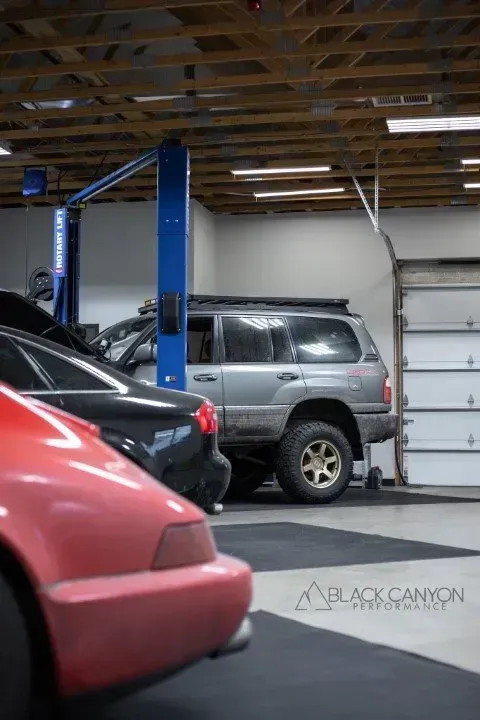
Vehicles waiting inside the Black Canyon Performance shop beside a two-post lift
By Black Canyon Performance European Auto Service • October 14, 2026
A Porsche repair estimate should itemize parts and labor, state the part type, give a completion date and explain each finding. What Colorado law requires.
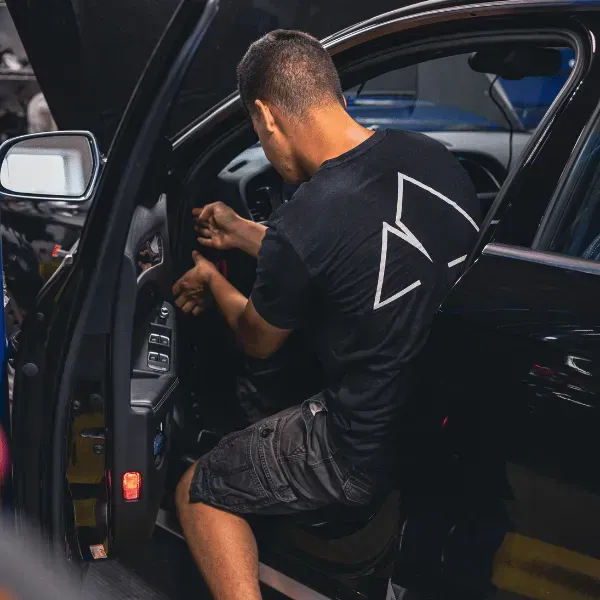
Technician working on the driver door switch panel of a black car
By Black Canyon Performance European Auto Service • October 14, 2026
A proper European car electrical diagnosis starts with a factory-level scan, live data and a wiring and ground check, all documented before any part is replaced.
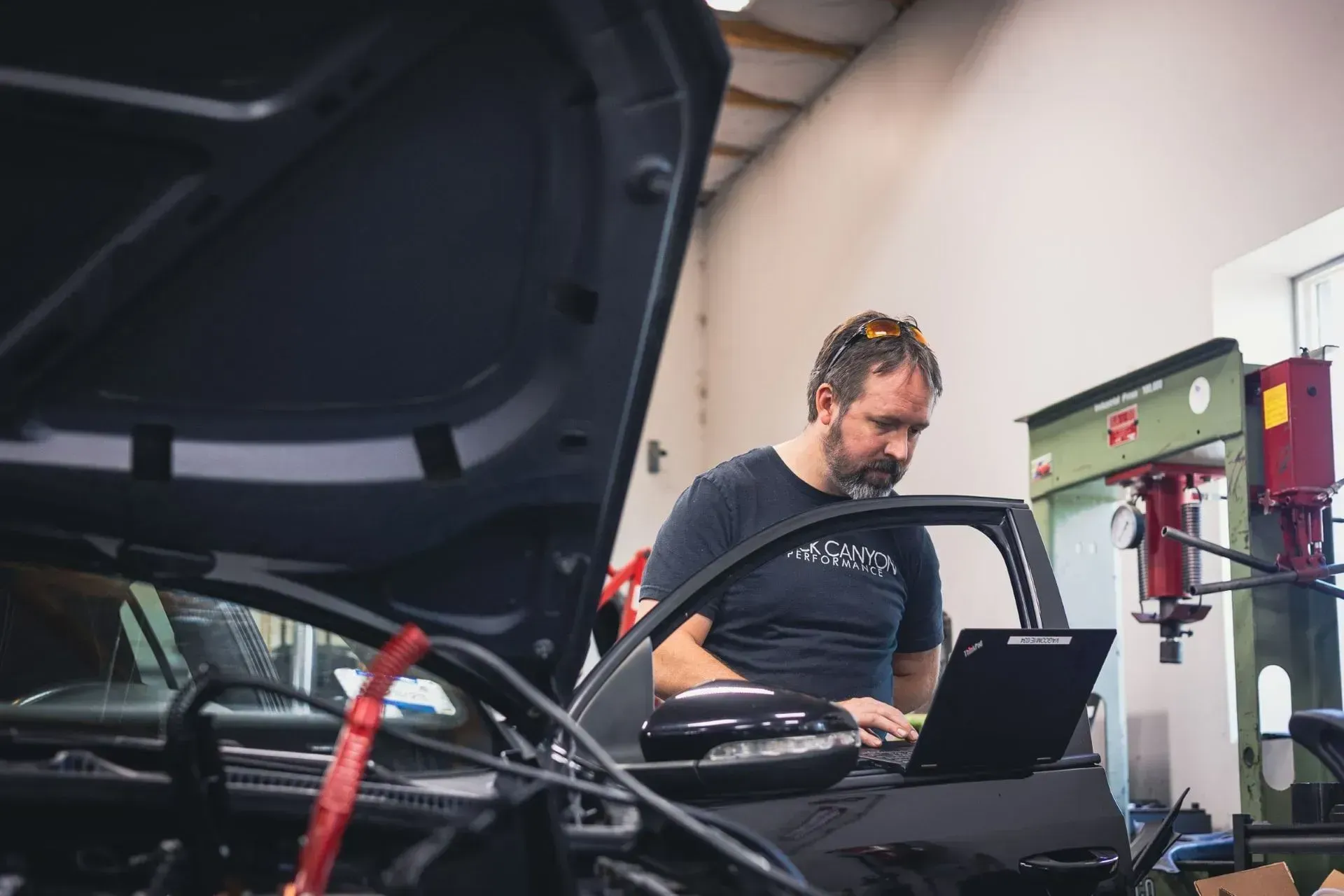
Technician running a laptop diagnosis at the driver door with a booster cable clamped under the hood
By Black Canyon Performance European Auto Service • October 14, 2026
A battery that passes a load test can still leave a BMW, Audi, Mercedes or MINI silent. How grounds, parasitic draw and immobilizer faults cause a no-start.
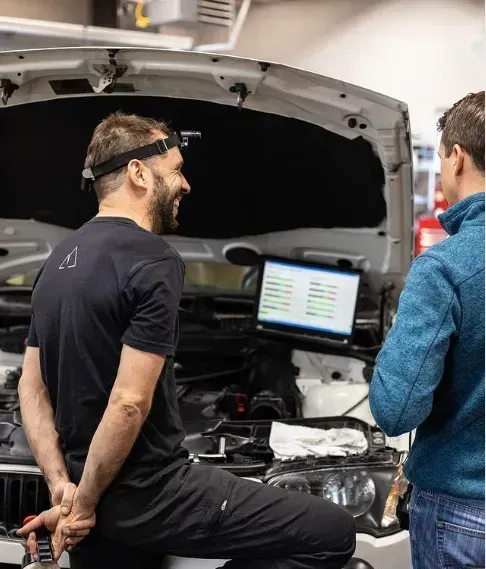
Technician and customer talking beside an open hood with a laptop showing diagnostic data
By Black Canyon Performance European Auto Service • October 14, 2026
A black or frozen PCM screen, repeated restarts, navigation, audio or hands-free failures can signal a Porsche cabin electronics fault. What Porsche has documented.
Technician reviewing a tablet while seated in the doorway of a red car in the shop
By Black Canyon Performance European Auto Service • October 14, 2026
A digital vehicle inspection pairs every finding with photos, notes and a priority, so you see why a repair matters before you approve it. What a DVI includes.
Black Canyon Performance technician in a headlamp lifting an engine component out of an open engine bay
By Black Canyon Performance European Auto Service • October 14, 2026
Dashboard alerts, uneven tire wear, fluid leaks and changes in ride or steering are early signs a European car needs attention. What each one means and what to do.
Dark green Porsche front wheel with a cross-drilled brake rotor and a black Porsche caliper visible through the spokes
By Black Canyon Performance European Auto Service • October 11, 2026
A longer pedal, a pull, a pulse, grinding or the pad wear light can all mean a Porsche needs brakes. What each sign means and when the rotors can stay.
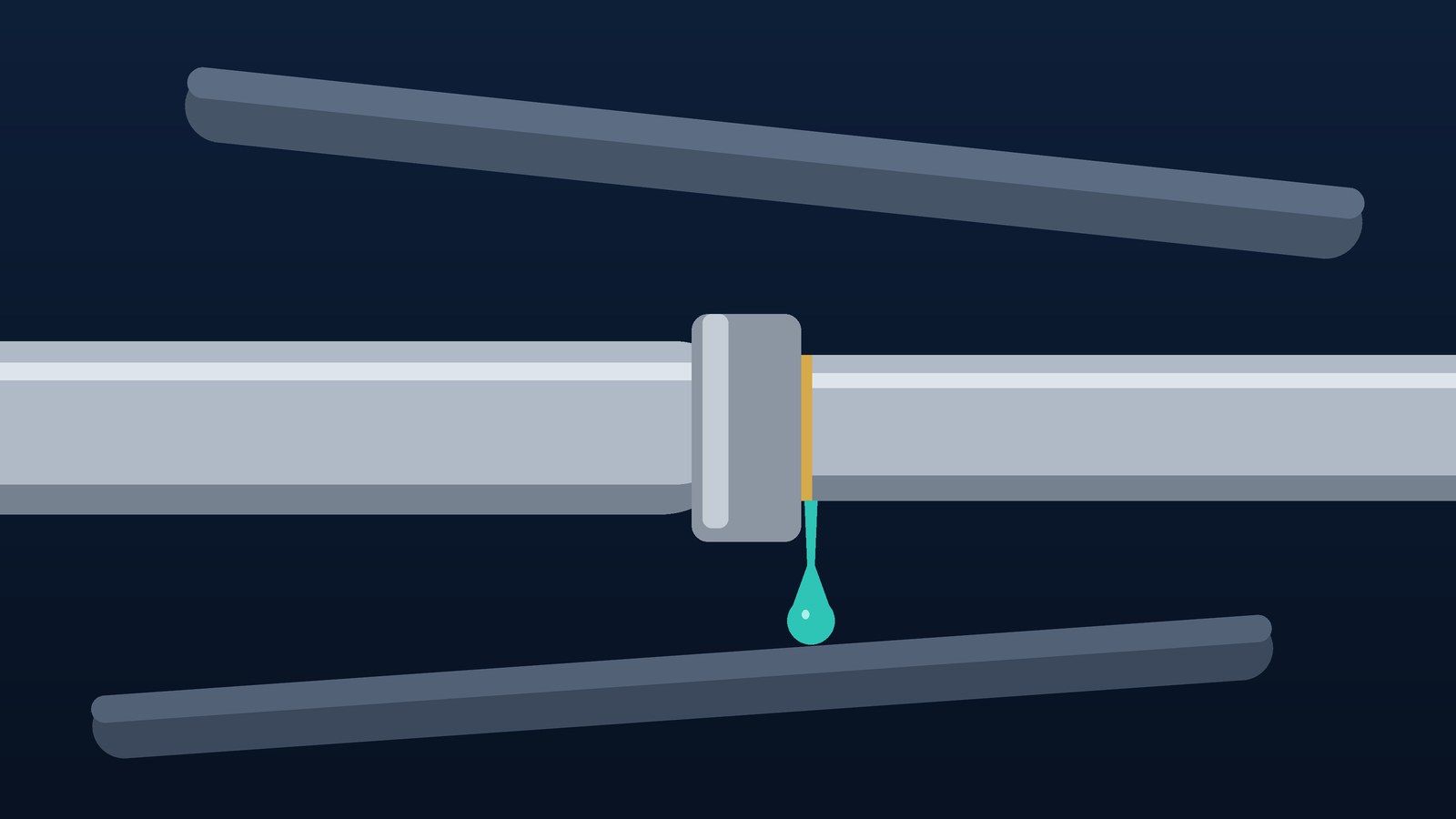
Illustration of two metal coolant pipes joined at a fitting, with a drop of coolant leaking from the joint
By Black Canyon Performance • October 1, 2026
2003 to 2006 Cayenne V8s had plastic coolant pipes; later Cayenne and Panamera models use bonded fittings. What Porsche's records show and what to check.

European auto specialist
By Chris McNeal • July 28, 2026
How a European auto specialist differs from a general repair shop: factory tooling, marque-specific training and OEM parts for Audi, BMW and Porsche.

Show More
Car lift in auto shop with silver SUV, red car foreground, and garage door in back

Your European Vehicle Dealership Alternative

Highly rated European and Import vehicle care serving the Colorado Front Range. We specialize in BMW, Audi, MINI, Land Rover, Porsche, Volkswagen, Mercedes-Benz and other top European car brands.